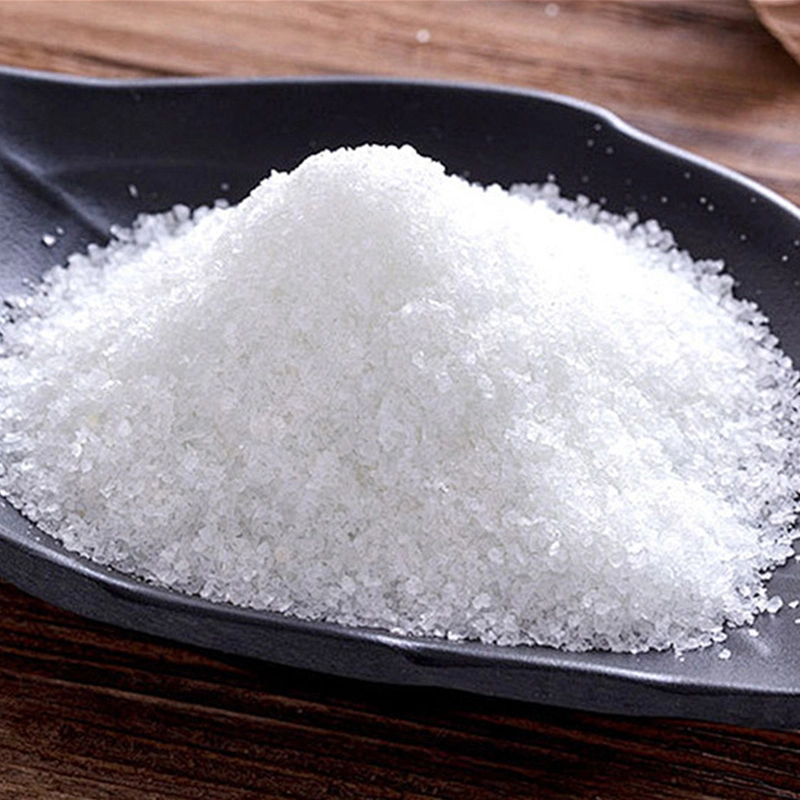
Citric acid is an important organic acid (chemical name: 2-hydroxypropane-1,2,3-tricarboxylic acid) found abundantly in fruits such as lemons and citrus. Industrially, it is primarily produced via the fermentation of *Aspergillus niger* using starchy raw materials like corn and sweet potatoes. It finds extensive application across various sectors, including food, pharmaceuticals, personal care, and general industry. Detailed applications are categorized below:
1. Food Industry (Largest application sector, accounting for approximately 60%)
(1) As an acidulant/flavoring agent: Provides a mild, refreshing tartness; balances sweetness; and enhances fruit flavors. Used in the production of carbonated beverages, fruit juices, sodas, wines, candies, biscuits, and canned juices.
(2) As a preservative: Creates an acidic environment that inhibits bacterial growth and extends shelf life. Used in the production of jams, jellies, canned foods, sauces, and pickled products.
(3) As an antioxidant: Prevents oxidative spoilage and helps maintain color and flavor. Used in products such as fruit preparations and canned vegetables (preventing discoloration and softening).
(4) As a processing aid: Adjusts pH levels, promotes pectin gelation, and reacts with sodium bicarbonate to generate CO₂ for dough leavening. Applications include cheese making, baked goods, and jam production. (5) Nutritional fortification: Promotes the absorption of minerals such as calcium and iron; applications include grain-based beverages and infant/toddler foods.
2. Pharmaceutical field
(1) Pharmaceutical excipients: pH adjusters, buffers, flavoring agents, and solubilizers; used in the production of oral medications, injections, eye drops, and effervescent tablets.
(2) Therapeutic uses: Alkalinizing urine, preventing/treating calcium-containing kidney stones, and treating metabolic acidosis; examples include potassium sodium hydrogen citrate granules and bismuth potassium citrate tablets (gastric mucosal protectants).
(3) Medical equipment: Chelating metal ions during hemodialysis to protect dialysis membranes; used as a component in dialysis fluids.
(4) In vitro anticoagulation: Used for blood preservation and anticoagulation treatment; serves as an additive in blood collection tubes.
3. Personal care and cosmetics
(1) Detergents: Chelates metal ions and serves as a phosphate-free water softener; common products include dishwasher tablets, bathroom cleaners, and laundry powders.
(2) Skincare products: Gently exfoliates, accelerates skin metabolism, and aids in skin brightening and spot reduction; common products include shampoos, creams, lotions, and facial masks.
(3) Descaling and cleaning: Breaks down limescale and soap scum without corroding surfaces; common products include kitchen and bathroom cleaners.
(4) Odor removal/deodorization: Eliminates unpleasant odors and improves product scent; common in personal care products.
4. Industrial applications
(1) Electroplating industry: Stabilizes electroplating bath pH and removes oxides from metal surfaces.
(2) Textile industry: Acts as a dye mordant to improve dyeing results.
(3) Petroleum industry: Neutralizes alkaline substances.
Water treatment: Sterilization, pH adjustment, and removal of mineral deposits from boilers and pipelines.
(4) Metal cleaning: Uses chelation to remove dirt and grime from metal surfaces.
(5) Agriculture: Acts as a plant growth regulator.
If you have any needs, please contact us via email to obtain a free quotation.