
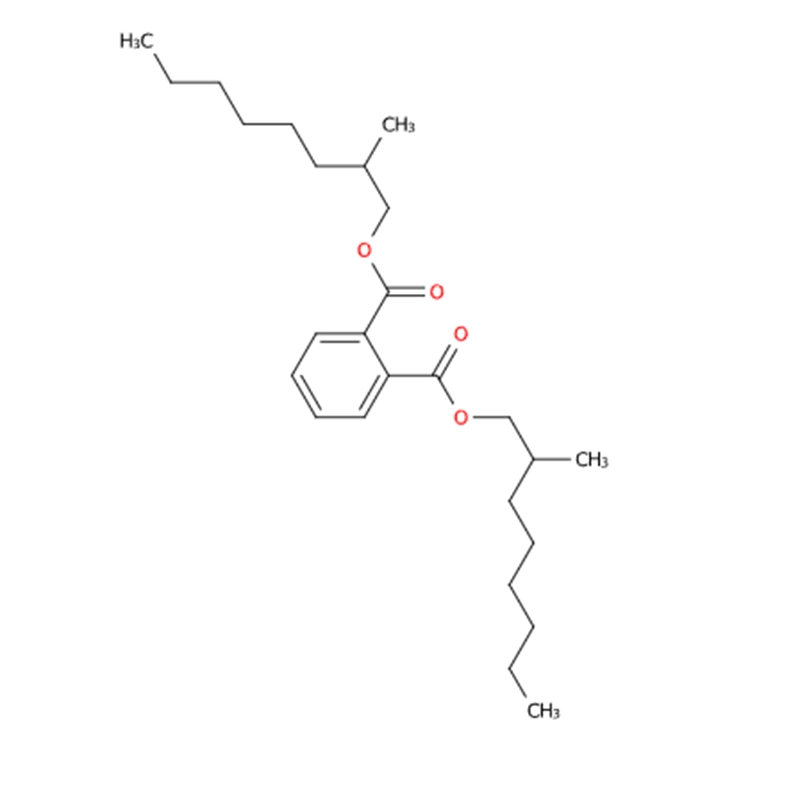
Diisononyl phthalate (DINP) is a widely used phthalate plasticizer; approximately 89% of it is used in polyvinyl chloride (PVC) resins, with the remainder utilized in other vinyl resins, cellulose ester plastics, and synthetic elastomers. Detailed application areas are as follows: 1. Wire and Cable
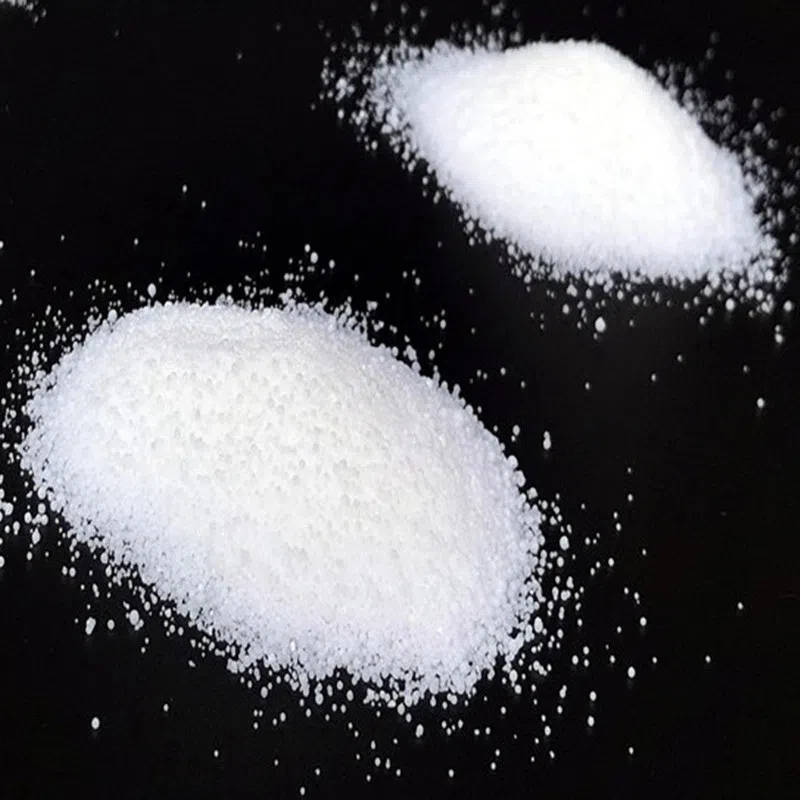
Erucamide is primarily used as a slip agent and anti-blocking agent for plastics such as CPP, BOPP, LDPE, LLDPE, EVA, PVC, PVDF, PVDC, PU, and metallocene polyethylene. It significantly reduces the dynamic and static coefficients of friction on the surface of products (films or sheets), thereby im
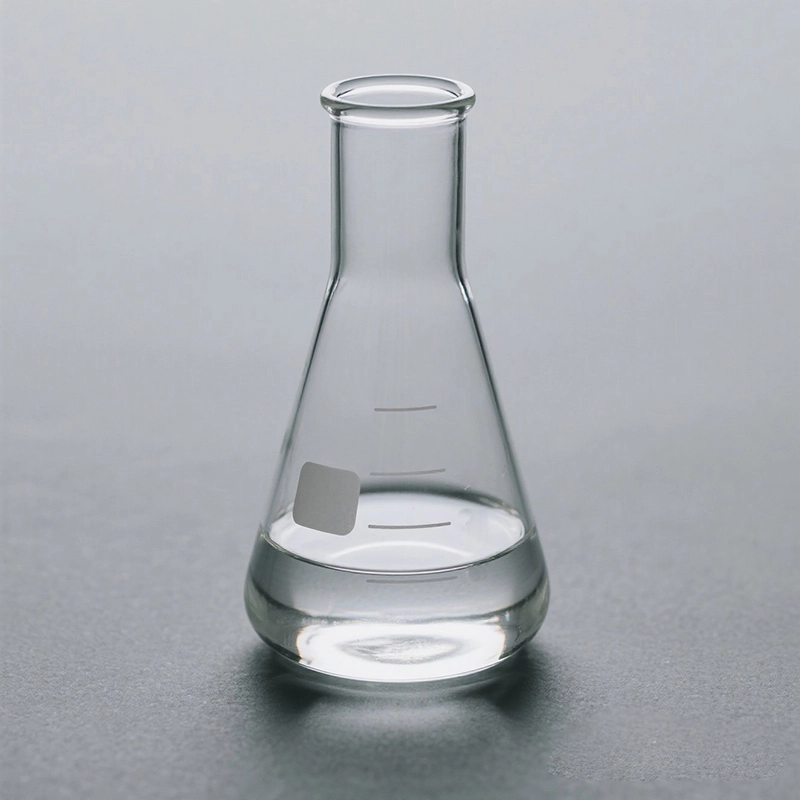
Dimethyl sulfoxide (DMSO) is the most commonly used permeating cryoprotectant in cell cryopreservation, playing an irreplaceable and critical role in the low-temperature storage of cells. Core Mechanisms of Action: 1. Prevention of ice crystal formation (primary function) Key principle: Intracellula
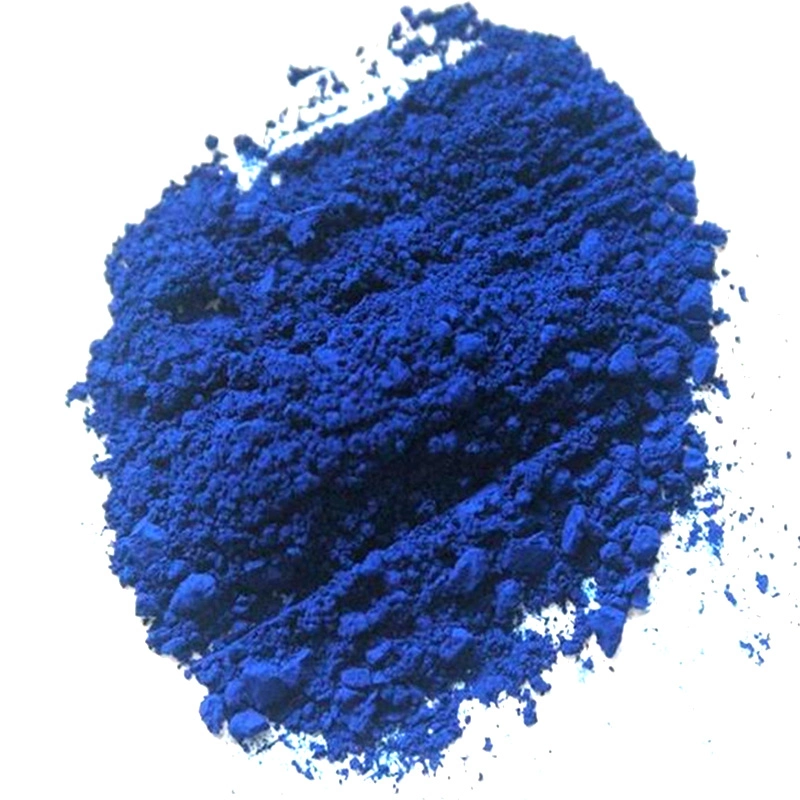
Disperse Blue 79 (trade name: Disperse Deep Blue S-3BG) is a high-temperature disperse dye primarily used for dyeing polyester and its blended fabrics to achieve deep blue and navy blue shades. Key applications include: 1. Dyeing of polyester and polyester blends (primary application) (1) Polyester
2-Ethyl-1,3-hexanediol (also known as Ethohexadiol) is an important intermediate in organic synthesis and a multifunctional chemical raw material. Application areas include: 1. Organic synthesis intermediates (primary use) (1) Polyester resins: Used as a raw material for the production of various po
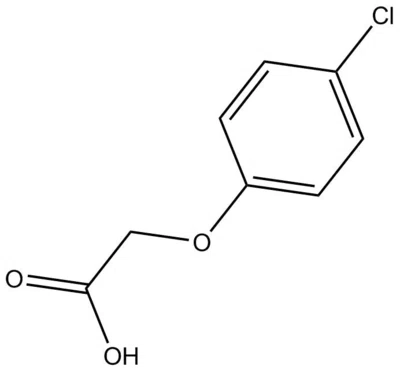
4-Chlorophenoxyacetic acid (4-CPA) —also known as *p*-chlorophenoxyacetic acid or by trade names such as Fangluosu, Fanqieling, Zuoguoling, and Cushengling—is a broad-spectrum plant growth regulator widely used in agriculture, horticulture, and medicine. Its core functions and effects include: 1. Pr
Indole-3-butyric acid (IBA) is an important plant growth regulator belonging to the auxin class of plant hormones; it is widely used in agriculture, horticulture, and plant tissue culture. Key functions include: 1. Promoting rooting in cuttings (primary application) Rooting effect: Stimulates the fo
Citric acid and acetic acid (ethanoic acid) are both organic acid preservatives commonly used in the food industry; however, they differ significantly in terms of their mechanisms of action, preservative efficacy, suitable applications, and safety profiles. A detailed comparison follows: (1) Chemica
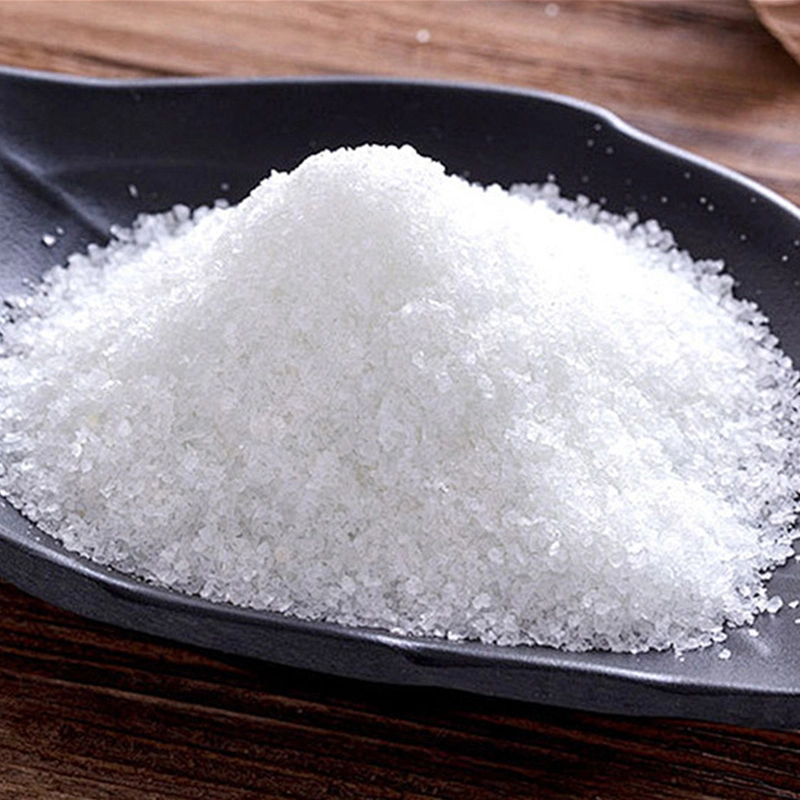
Citric acid is an important organic acid (chemical name: 2-hydroxypropane-1,2,3-tricarboxylic acid) found abundantly in fruits such as lemons and citrus. Industrially, it is primarily produced via the fermentation of *Aspergillus niger* using starchy raw materials like corn and sweet potatoes. It fi
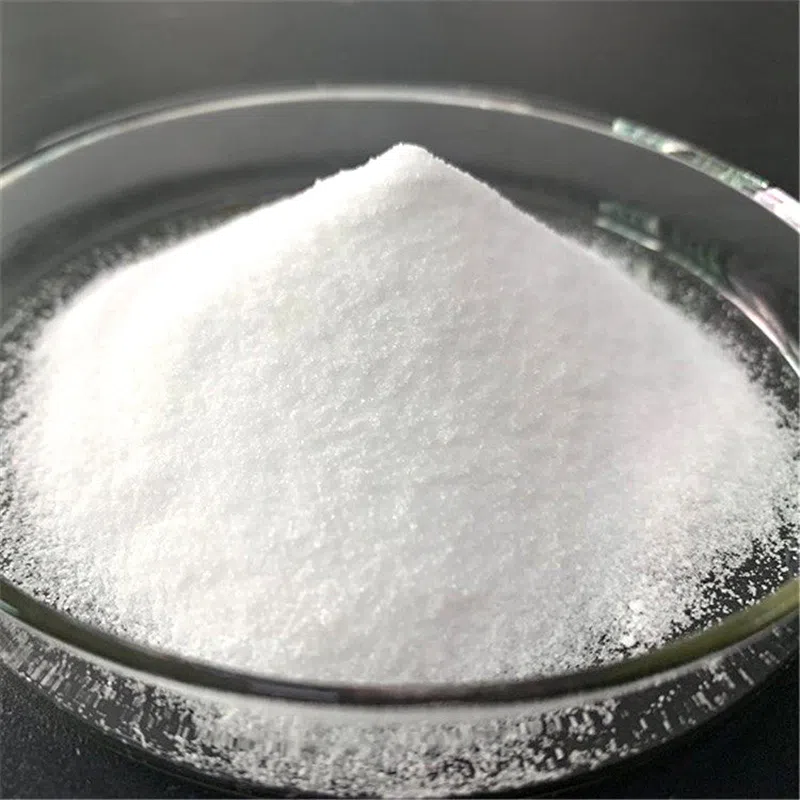
Although terephthalaldehyde (CAS 623-27-8) and terephthalic acid (CAS 100-21-0) have similar molecular structures (both contain a benzene ring and two oxygen-containing functional groups), their different functional groups lead to vastly different applications: the former is a fine chemical intermed
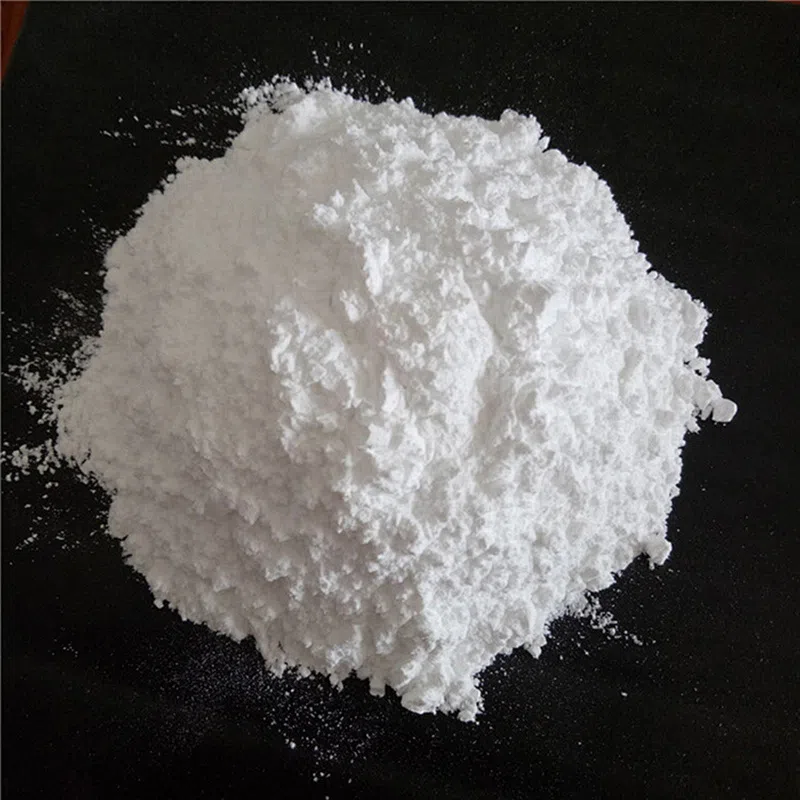
Thiosalicylic acid (also known as o-mercaptobenzoic acid or 2-mercaptobenzoic acid) has various applications, including: Pharmaceutical Intermediate: As a key intermediate in the synthesis of thimerosal, its thiol group can coordinate with mercury ions to construct an organomercury framework; it is
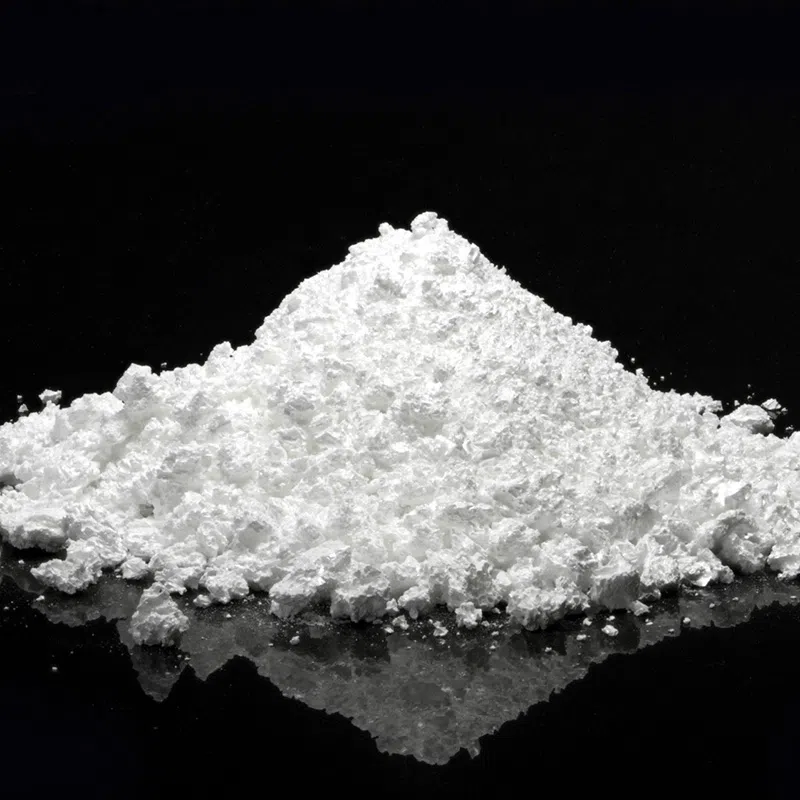
Cumyl Hydroperoxide (CHP) has the chemical name α,α-dimethylbenzyl hydroperoxide, with the molecular formula C₉H₁₂O₂. Structural Features: A benzene ring (C₆H₅-) is attached to a carbon atom, which is then bonded with two methyl groups (-CH₃) and a hydrogen peroxide group (-OOH). The simplified stru
Diisononyl phthalate (DINP) is a widely used phthalate plasticizer; approximately 89% of it is used in polyvinyl chloride (PVC) resins, with the remainder utilized in other vinyl resins, cellulose ester plastics, and synthetic elastomers. Detailed application areas are as follows: 1. Wire and Cable
Erucamide is primarily used as a slip agent and anti-blocking agent for plastics such as CPP, BOPP, LDPE, LLDPE, EVA, PVC, PVDF, PVDC, PU, and metallocene polyethylene. It significantly reduces the dynamic and static coefficients of friction on the surface of products (films or sheets), thereby im
Dimethyl sulfoxide (DMSO) is the most commonly used permeating cryoprotectant in cell cryopreservation, playing an irreplaceable and critical role in the low-temperature storage of cells. Core Mechanisms of Action: 1. Prevention of ice crystal formation (primary function) Key principle: Intracellula
Disperse Blue 79 (trade name: Disperse Deep Blue S-3BG) is a high-temperature disperse dye primarily used for dyeing polyester and its blended fabrics to achieve deep blue and navy blue shades. Key applications include: 1. Dyeing of polyester and polyester blends (primary application) (1) Polyester
2-Ethyl-1,3-hexanediol (also known as Ethohexadiol) is an important intermediate in organic synthesis and a multifunctional chemical raw material. Application areas include: 1. Organic synthesis intermediates (primary use) (1) Polyester resins: Used as a raw material for the production of various po
4-Chlorophenoxyacetic acid (4-CPA) —also known as *p*-chlorophenoxyacetic acid or by trade names such as Fangluosu, Fanqieling, Zuoguoling, and Cushengling—is a broad-spectrum plant growth regulator widely used in agriculture, horticulture, and medicine. Its core functions and effects include: 1. Pr
Indole-3-butyric acid (IBA) is an important plant growth regulator belonging to the auxin class of plant hormones; it is widely used in agriculture, horticulture, and plant tissue culture. Key functions include: 1. Promoting rooting in cuttings (primary application) Rooting effect: Stimulates the fo
Citric acid and acetic acid (ethanoic acid) are both organic acid preservatives commonly used in the food industry; however, they differ significantly in terms of their mechanisms of action, preservative efficacy, suitable applications, and safety profiles. A detailed comparison follows: (1) Chemica
Citric acid is an important organic acid (chemical name: 2-hydroxypropane-1,2,3-tricarboxylic acid) found abundantly in fruits such as lemons and citrus. Industrially, it is primarily produced via the fermentation of *Aspergillus niger* using starchy raw materials like corn and sweet potatoes. It fi
Although terephthalaldehyde (CAS 623-27-8) and terephthalic acid (CAS 100-21-0) have similar molecular structures (both contain a benzene ring and two oxygen-containing functional groups), their different functional groups lead to vastly different applications: the former is a fine chemical intermed
Thiosalicylic acid (also known as o-mercaptobenzoic acid or 2-mercaptobenzoic acid) has various applications, including: Pharmaceutical Intermediate: As a key intermediate in the synthesis of thimerosal, its thiol group can coordinate with mercury ions to construct an organomercury framework; it is
Cumyl Hydroperoxide (CHP) has the chemical name α,α-dimethylbenzyl hydroperoxide, with the molecular formula C₉H₁₂O₂. Structural Features: A benzene ring (C₆H₅-) is attached to a carbon atom, which is then bonded with two methyl groups (-CH₃) and a hydrogen peroxide group (-OOH). The simplified stru