
Thiosalicylic acid (also known as o-mercaptobenzoic acid or 2-mercaptobenzoic acid) has various applications, including:
Pharmaceutical Intermediate: As a key intermediate in the synthesis of thimerosal, its thiol group can coordinate with mercury ions to construct an organomercury framework; it is also used in the synthetic pathway of pharmaceutical products such as methyl salicylate.
Life Science Research: It can be used as a biomaterial or organic compound in life science research.
Metal Nanoparticle Synthesis: It can be used as a stabilizer in the synthesis of metal nanoparticles.
Organic Synthesis: In organic synthesis, it serves as a raw material for reagents and catalysts in dyes, fluorescent agents, rubber plasticizers, and other fields.
Preservatives and Antioxidants: Possessing antioxidant and preservative properties, it can be used as a preservative and antioxidant.
Basic storage requirements for thioslicylic acid:
Sealing: Must be sealed to prevent moisture absorption and oxidation.
Light: Store in a dark place, avoiding direct sunlight.
Temperature: Store in a dry, cool place; recommended storage temperature 2-30℃.
Environment: Store in a well-ventilated place, away from fire and oxidizers.
Packaging: Drum or customized small packaging as needed; label must indicate product name and specifications.
Storage temperatures for different forms (for research use):
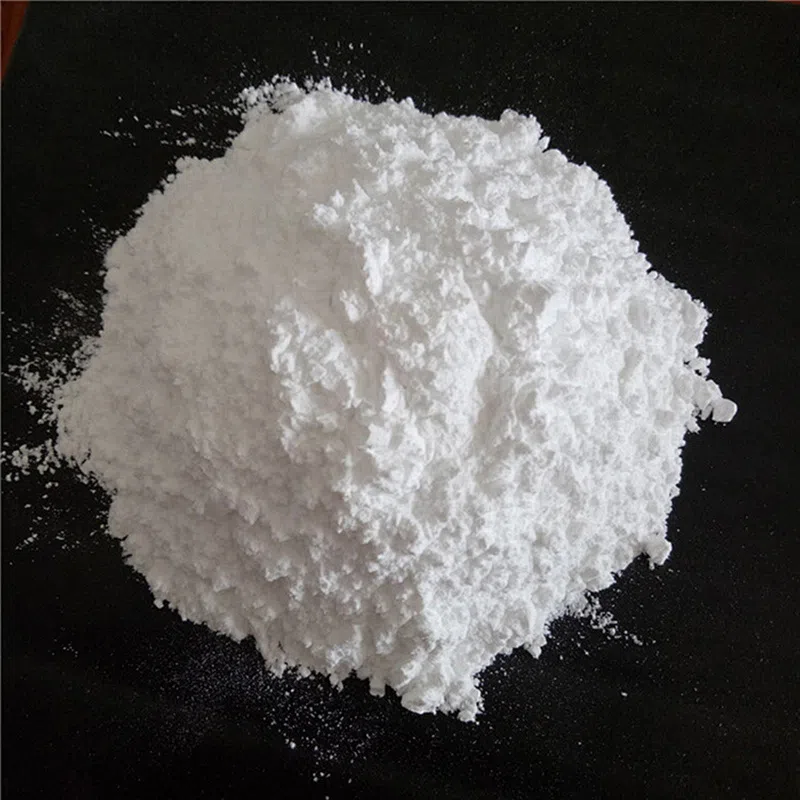
Powder: -20°C, shelf life 3 years
Powder: 4°C, shelf life 2 years
In solvent: -80°C, shelf life 6 months
In solvent: -20°C, shelf life 1 month
Note: Room temperature (RT) storage is suitable for short-term use; long-term storage is recommended via refrigeration.