
Product Details
Lipases (glycerol ester hydrolases) belong to the carboxyl ester hydrolase class and can gradually hydrolyze triglycerides into glycerol and fatty acids. They are found in fat-containing tissues of animals, plants, and microorganisms (such as molds and bacteria). This enzyme family includes phosphatases, sterolases, and carboxylesterases. Fatty acids produced by lipase activity are widely used in the food, pharmaceutical, leather, and daily chemical industries. Lipases are extensively distributed across animals, plants, and microorganisms.
Lipases are a class of enzymes with diverse catalytic capabilities, catalyzing the hydrolysis, alcoholysis, esterification, transesterification, and reverse synthesis of triglycerides and other water-insoluble esters. They also exhibit additional enzymatic activities, including phospholipase, lysophospholipase, cholesterol esterase, and acylpeptide hydrolase activities (Hara; Schmid). The different activities of lipases depend on the characteristics of the reaction system—for example, promoting ester hydrolysis at the oil-water interface and catalyzing synthesis and transesterification in the organic phase.
Product Parameter
| English name | Lipase |
| English synonyms | LIPASE AS;LIPASE AK;LIPASE AYS;LIPASE CAL-A, THERMOSTABLE;LIPASE CAL-B;LIPASE M 10;LIPASE MML;LIP ASE PS |
| CAS number | 9001-62-1 |
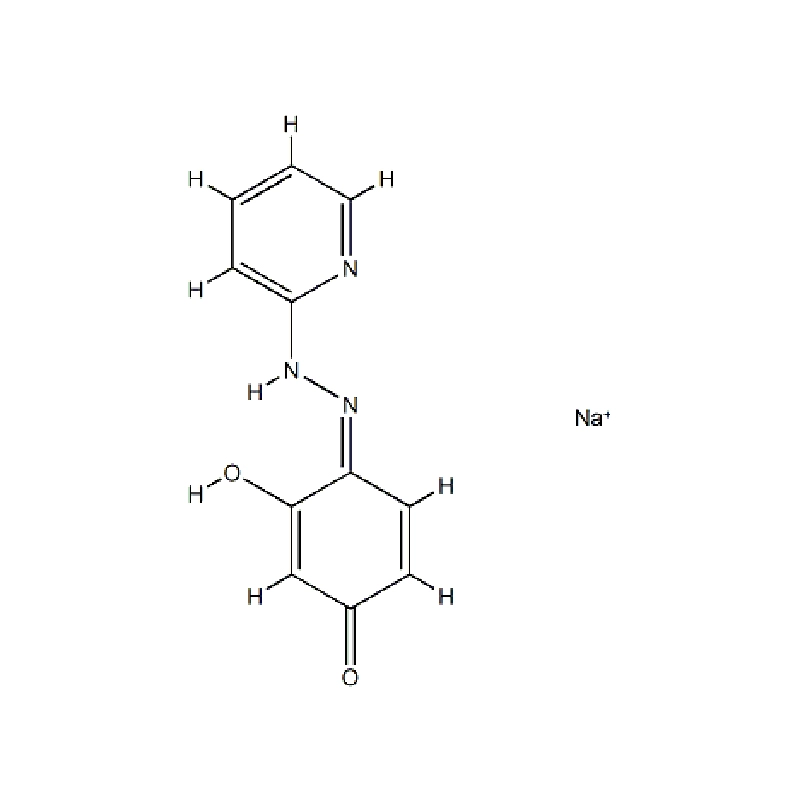
| Molecular formula | C11H9N3NaO2+ |
| Molecular weight | 238.19783 |
| EINECS number | 232-619-9 |
| Density | 1.2 |
| Vapor Pressure | 0.004 Pa at 25°C |
| Storage Conditions | 2-8°C |
| Solubility | H₂O: 2 mg/mL, turbid, with insoluble particles, pale yellow |
| Formula | The solution may darken during storage. |
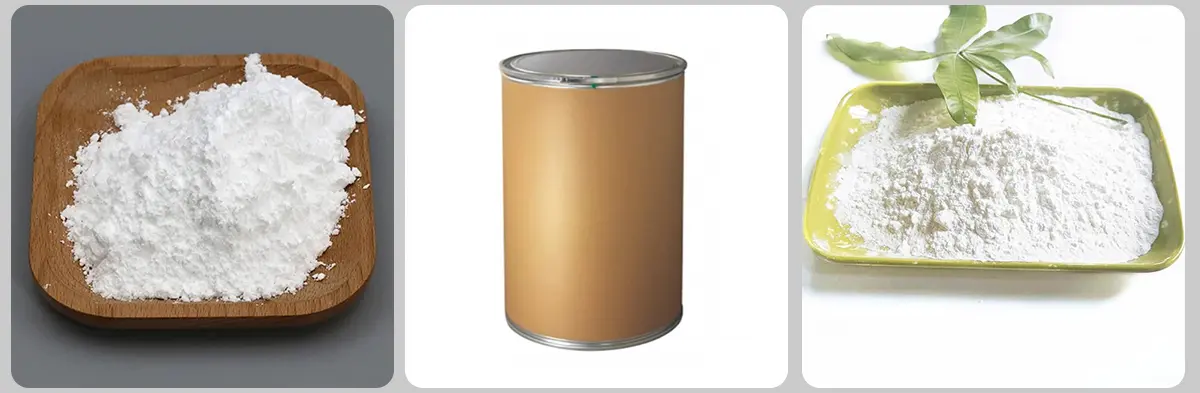
| Color | Yellowish-brown |
| Biological Source | whe at (germ) |
| Water Solubility | It is soluble in water |
| Merck | 135,533 |
| Specific Activity | 5-15 units/mg solid |
| Stability | Moisture sensitive. Incompatible with strong oxidizing agents |
| LogP | -1.3 at 20℃ |
Product Application
Lipases are widely used in industrial production. For example, in the food industry, they are applied to meat defatting, flour improvement, oil modification, cheese processing, winemaking, and sauce processing. In the feed industry, lipases are combined with other carbohydrate-degrading enzymes to form complex enzyme feed additives, which can effectively improve feed utilization. Lipases are also extensively used in the bio-resolution of chiral compounds in the pharmaceutical and fine chemical industries. In the paper industry, lipases can be employed for the enzymatic removal of rosin from wood pulp. In the biodiesel industry, they catalyze the transesterification of oils and fats with short-chain alcohols for the enzymatic synthesis of biodiesel. Additionally, lipases are widely utilized in the detergent industry, leather processing, and textile industries.