
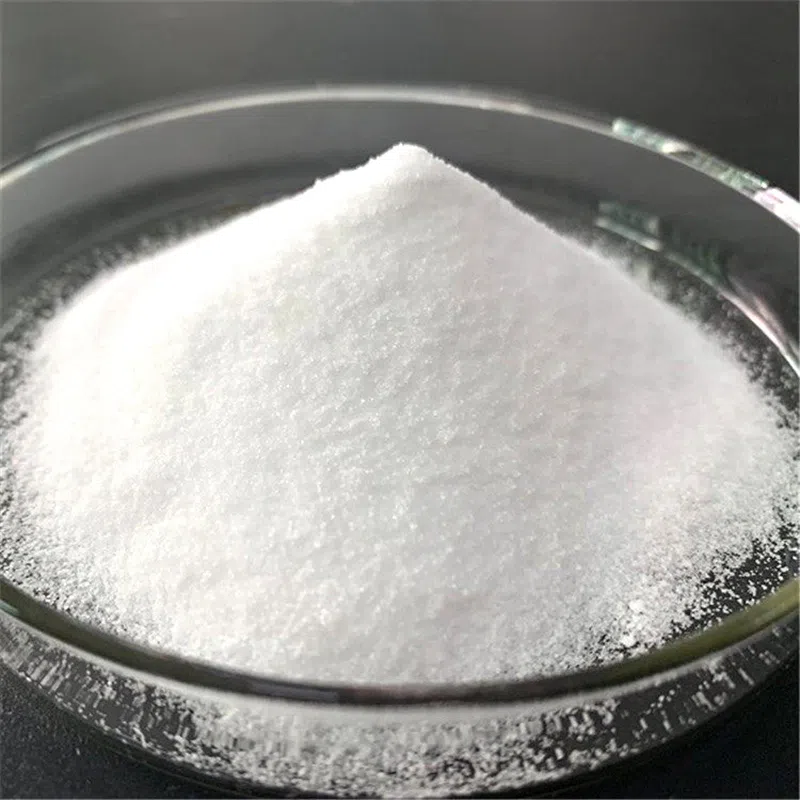
Although terephthalaldehyde (CAS 623-27-8) and terephthalic acid (CAS 100-21-0) have similar molecular structures (both contain a benzene ring and two oxygen-containing functional groups), their different functional groups lead to vastly different applications: the former is a fine chemical intermed
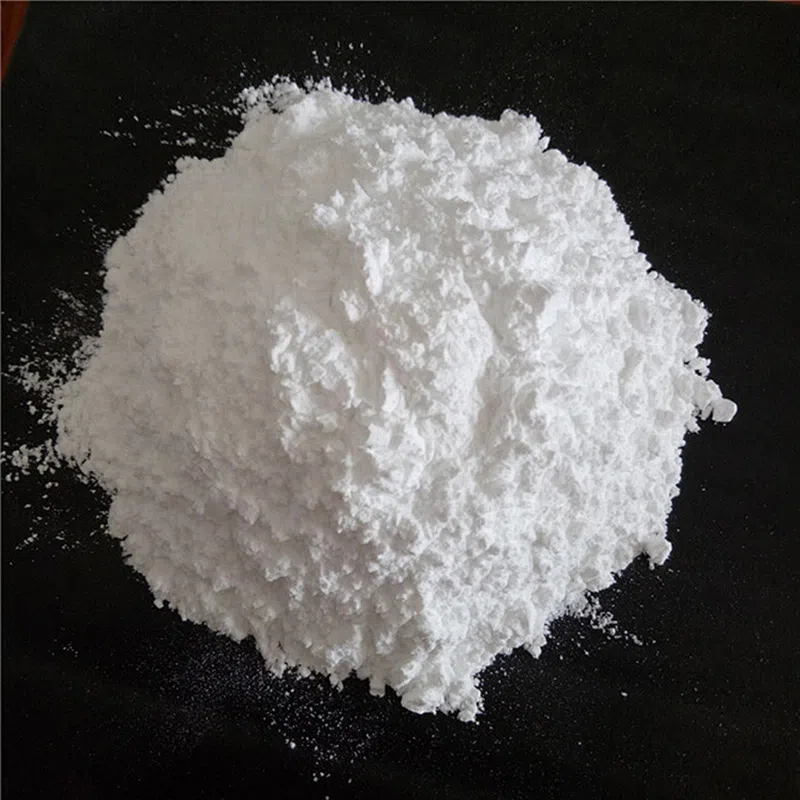
Thiosalicylic acid (also known as o-mercaptobenzoic acid or 2-mercaptobenzoic acid) has various applications, including: Pharmaceutical Intermediate: As a key intermediate in the synthesis of thimerosal, its thiol group can coordinate with mercury ions to construct an organomercury framework; it is
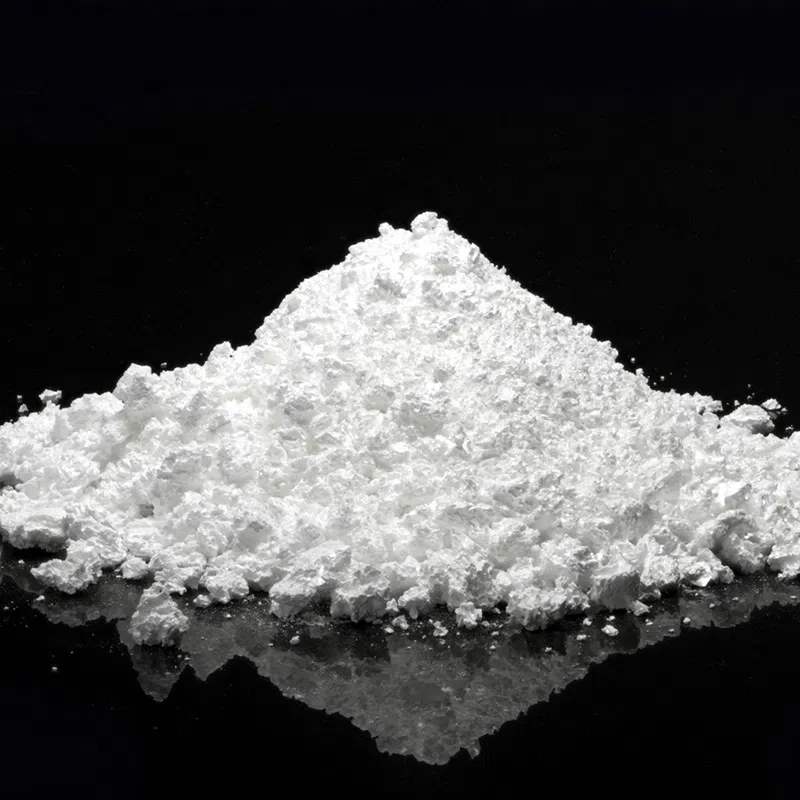
Cumyl Hydroperoxide (CHP) has the chemical name α,α-dimethylbenzyl hydroperoxide, with the molecular formula C₉H₁₂O₂. Structural Features: A benzene ring (C₆H₅-) is attached to a carbon atom, which is then bonded with two methyl groups (-CH₃) and a hydrogen peroxide group (-OOH). The simplified stru
DMPT (Dimethyl-β-propiothetin) is a highly effective aquatic feed attractant and nutrient metabolism regulator with numerous applications in aquatic animal nutrition. DMPT is a natural osmotic regulator found in marine plants and halophytes, and is also widely present in seaweed and wild fish and sh
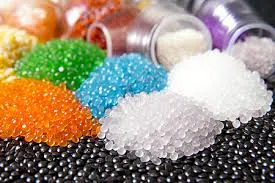
Woven Products Woven polypropylene products—including woven sacks, tarpaulins, and ropes—have consistently accounted for a large share of PP resin consumption in China, making them the largest application market for polypropylene. These products are mainly used for packaging grain, fertilizers, ceme
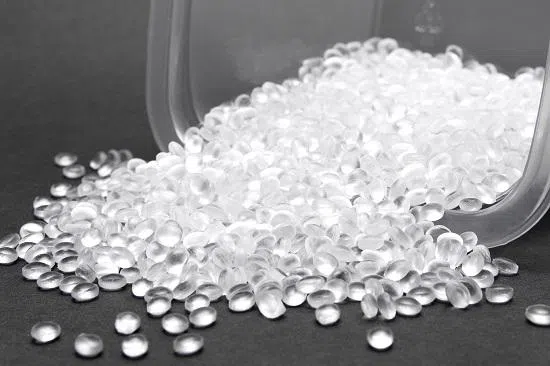
Polyethylene (PE) was first synthesized accidentally by the German chemist Hans von Pechmann during an experimental process. which marked the beginning of a new field in polymer synthesis. Polyethylene has many varieties, which are generally classified according to their density differences into low

Glycerol | More Than a Carbon Source—A Trigger for Metabolic Reprogramming Glycerol is not only a key intermediate in lipid metabolism but also a highly promising non-sugar carbon source for fermentation and metabolic engineering. Unlike glucose, glycerol enters central carbon metabolism through ded
Although terephthalaldehyde (CAS 623-27-8) and terephthalic acid (CAS 100-21-0) have similar molecular structures (both contain a benzene ring and two oxygen-containing functional groups), their different functional groups lead to vastly different applications: the former is a fine chemical intermed
Thiosalicylic acid (also known as o-mercaptobenzoic acid or 2-mercaptobenzoic acid) has various applications, including: Pharmaceutical Intermediate: As a key intermediate in the synthesis of thimerosal, its thiol group can coordinate with mercury ions to construct an organomercury framework; it is
Cumyl Hydroperoxide (CHP) has the chemical name α,α-dimethylbenzyl hydroperoxide, with the molecular formula C₉H₁₂O₂. Structural Features: A benzene ring (C₆H₅-) is attached to a carbon atom, which is then bonded with two methyl groups (-CH₃) and a hydrogen peroxide group (-OOH). The simplified stru
DMPT (Dimethyl-β-propiothetin) is a highly effective aquatic feed attractant and nutrient metabolism regulator with numerous applications in aquatic animal nutrition. DMPT is a natural osmotic regulator found in marine plants and halophytes, and is also widely present in seaweed and wild fish and sh
Woven Products Woven polypropylene products—including woven sacks, tarpaulins, and ropes—have consistently accounted for a large share of PP resin consumption in China, making them the largest application market for polypropylene. These products are mainly used for packaging grain, fertilizers, ceme
Polyethylene (PE) was first synthesized accidentally by the German chemist Hans von Pechmann during an experimental process. which marked the beginning of a new field in polymer synthesis. Polyethylene has many varieties, which are generally classified according to their density differences into low
Glycerol | More Than a Carbon Source—A Trigger for Metabolic Reprogramming Glycerol is not only a key intermediate in lipid metabolism but also a highly promising non-sugar carbon source for fermentation and metabolic engineering. Unlike glucose, glycerol enters central carbon metabolism through ded