
Product Details
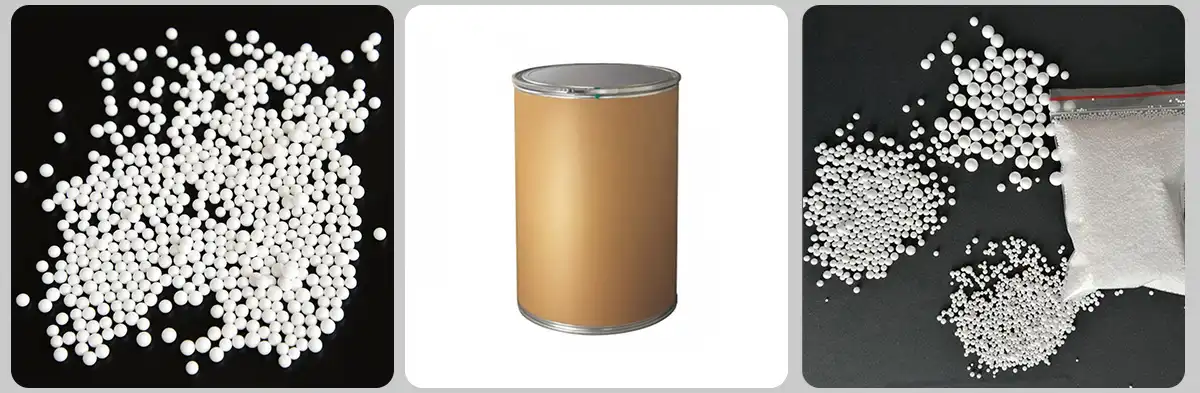
Expandable Polystyrene (EPS) is a cost-effective and versatile thermoplastic foam. It usually appears as colorless, transparent, pearl-like particles. Upon heating and molding, EPS converts into a white solid featuring a fine, closed-cell structure that is non-toxic, odorless, and non-corrosive.
Chemical Properties
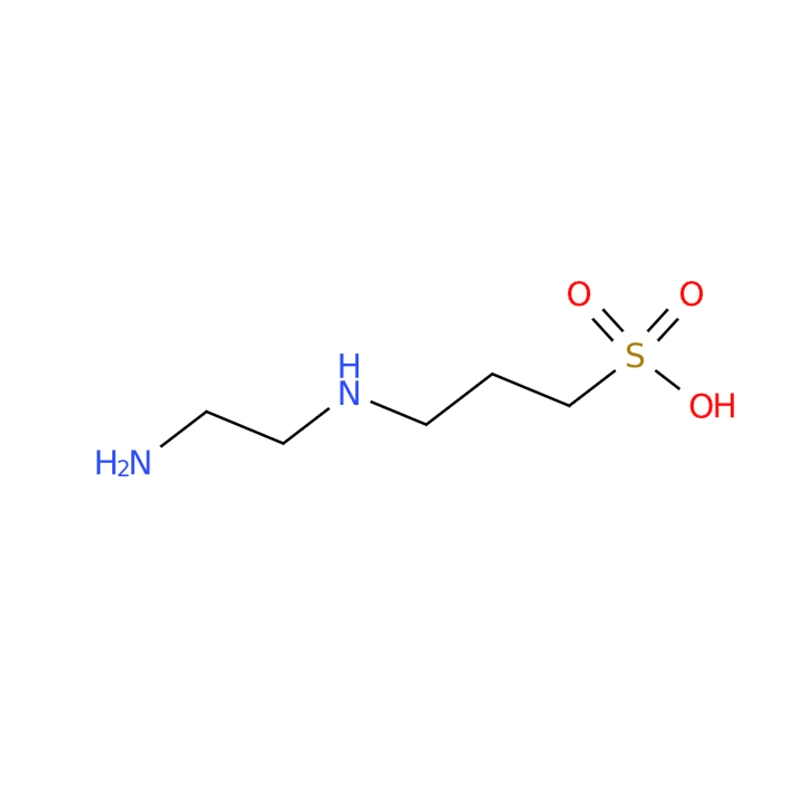
| English Name | 3-[(2-AMINOETHYL)AMINOJPROPANESULFONIC ACID |
| English Synonyms | EPS;3-[(2-AMINOETHYL)AMINOJPROPANESULFONIC ACID;3-((2-AMinoethyl)aMino)propane-1-sulfonic acid;Flame Retardant Grade Expandable Polystyrene;1-Propanesulfonic acid, 3-[(2-aminoethyl)aminol-;3-(2-a minoethylamino)propane-1-sulfonicaci;3-[(2-AMINOETHYL)AMINOJPROPANESULFONIC ACID ISO 9001 : 2 015 REACH;Polystyrene, Cellular |
| CAS Number | 14235-54-2 |
| Molecular Formula | C5H14N203S |
| Molecular Weight | 182.24 |
| Melting point | 215 °C |
| density | 1.282±0.06 g/cm3(Predicted) |
| pka | 1.45±0.50(Predicted) |
Product Usage
Expandable Polystyrene (EPS) is mainly used in construction and civil engineering, as well as in the packaging industry. Additionally, it is employed in the production of fishing float tubes, handicrafts, lost foam castings, traffic safety equipment, and other similar applications.