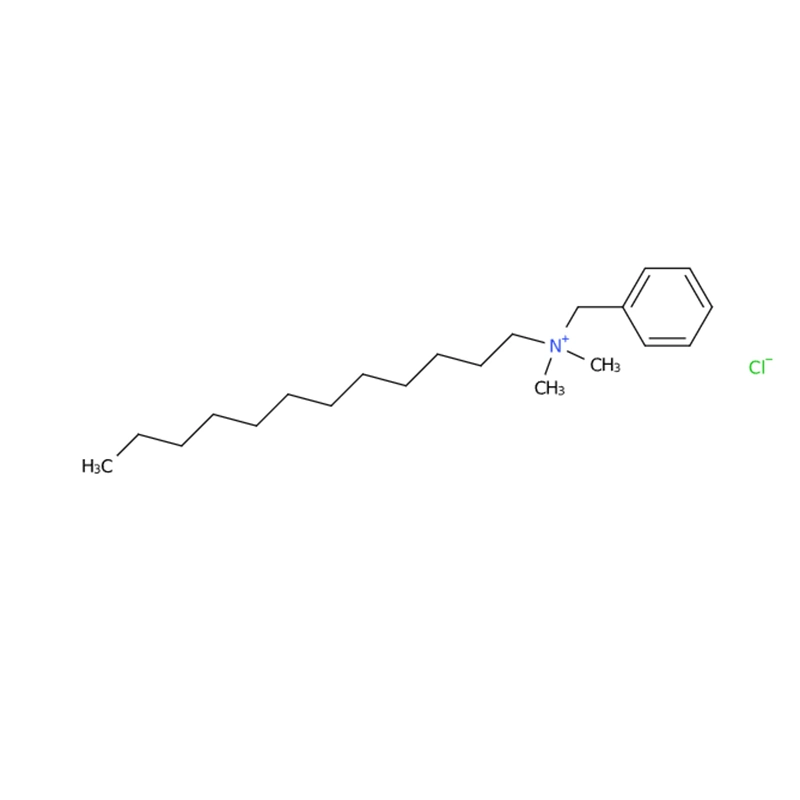

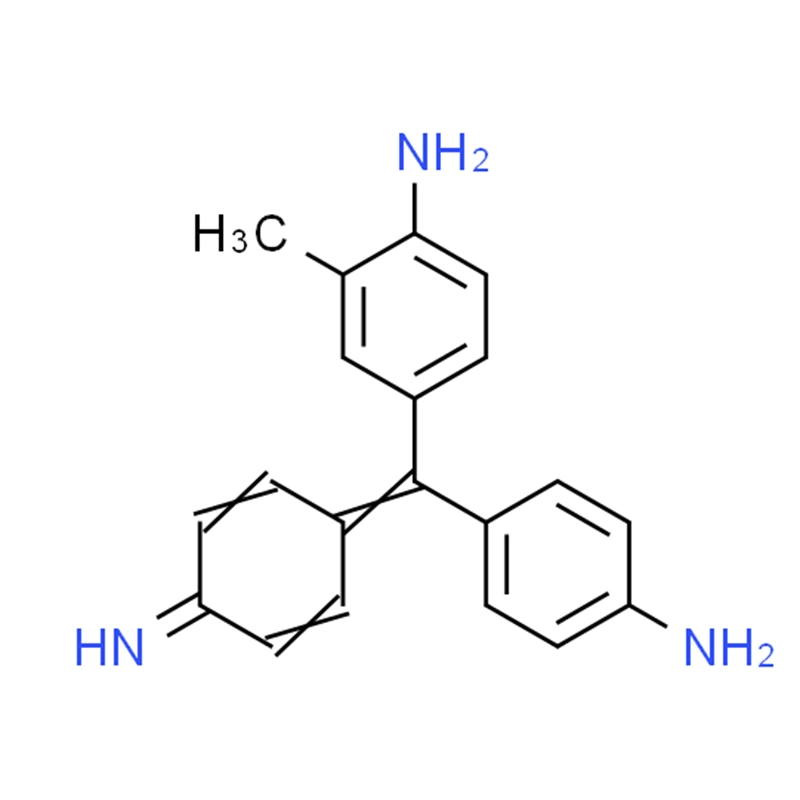
Product Details
This refers to aniline dyes or coal tar dyes, which are available in numerous varieties and have extensive applications. Their primary drawback is a tendency to fade when exposed to sunlight, with colors such as aniline blue, brilliant green, and methyl green being particularly susceptible to fading. When preparing solutions, care should be taken to maintain appropriate pH levels and to avoid direct sunlight exposure; with proper handling, these dyes can retain their color for several years without significant fading.
Product Parameter
| Melting point | 250 °C |
| Boiling point | 300℃[at 101 325 Pa] |
| density | 0.999 g/mL at 20 °C |
| bulk density | 500kg/m3 |
| vapor pressure | 0Pa at 25℃ |
| refractive index | n20/D 1.334 |
| Fp | 48 °F |
| storage temp. | 2-8°C |
| solubility | H2O: soluble1mg/mL |
| form | liquid |
| Colour Index | 42510 |
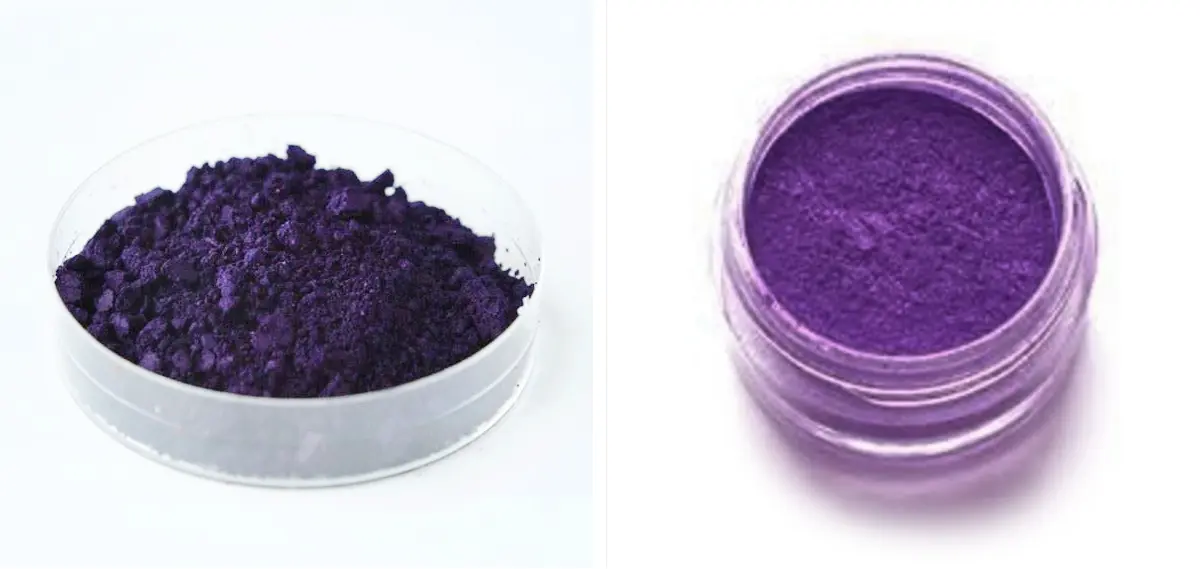
| color | Green to dark green |
| PH | 5-6 (1g/l, H2O, 25°C) |
| Water Solubility | 4 G/L (25 ºC) |
| λ max | 543 nm |
| Merck | 14,5652 |
| BRN | 4166684 |
| Biological Applications | Detecting cancer; treating Jock itch,oral fungal infection,piles; periodontal disease |
| LogP | 1.632 at 25℃ |
| IARC | 2B (Vol. Sup 7, 57, 99, 100F) 2012 |
| EPA Substance Registry System | C.I. Basic Violet 14 (632-99-5) |
Safety Information
| Hazard Codes | F,Xn |
| Risk Statements | 40-22 |
| Safety Statements | 7-16-36/37 |
| WGK Germany | 3 |
| RTECS | CX9850000 |
| TSCA | Yes |
| HS Code | 3204 13 00 |
| Hazardous Substances Data | 632-99-5(Hazardous Substances Data) |
Product Application
Basic fuchsin (also referred to as Basic fuchsin in English) is an alkaline dye that appears as a dark red powder or crystalline substance. It is soluble in both water (with a solubility of 1%) and alcohol (with a solubility of 8%). This dye finds wide application in biological preparations, where it is used to stain collagen fibers, elastic fibers, fuchsin granules, and nuclei in central nervous tissue. In plant biology preparations, it serves to color the lignified walls of vascular plants and functions as a general stain for protozoa and charophytes.
In bacteriological applications, basic fuchsin is commonly used for the identification of tuberculosis bacteria. It also serves as a histochemical reagent in the Feulgen reaction and has been employed for deoxyribonucleic acid (DNA) verification. The dye maintains its staining properties effectively when stored properly away from light and under appropriate pH conditions.