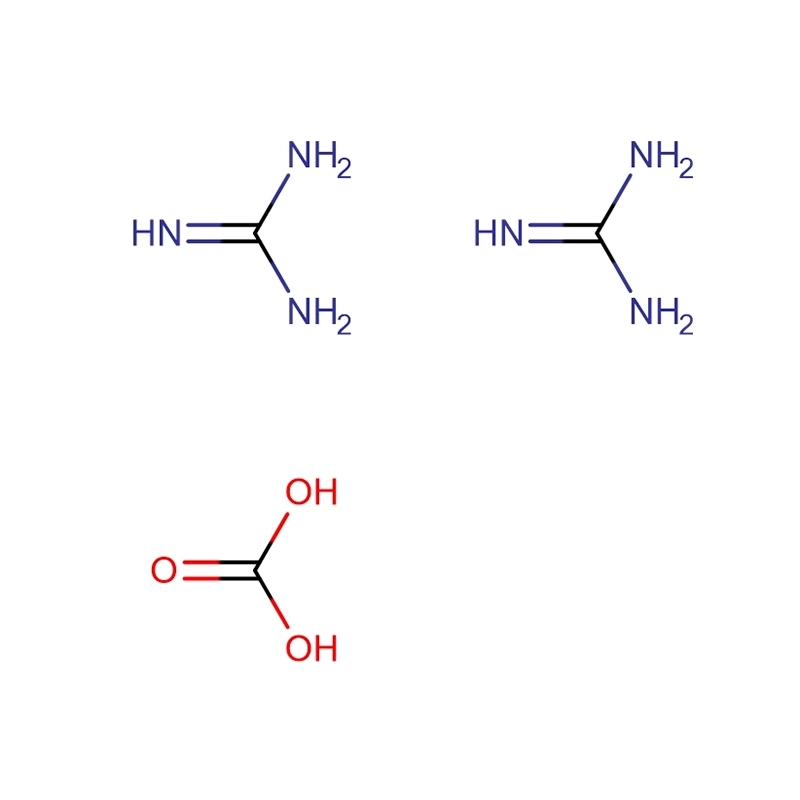

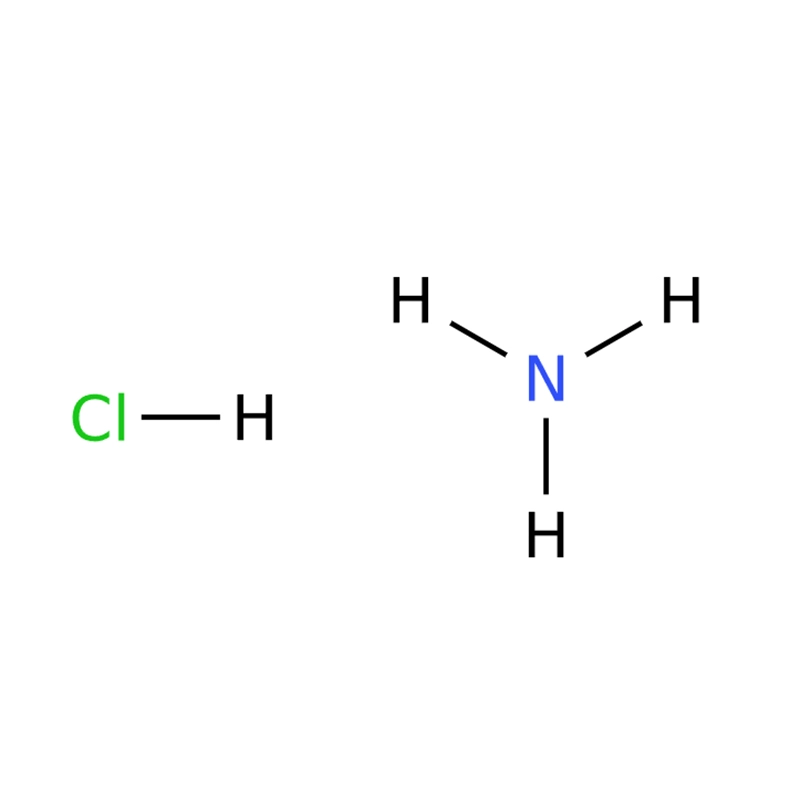
Product Description
Ammonium chloride is a white crystalline salt known for its excellent water solubility, reaching 37.2 g/100 g at 20 °C. It serves as an essential component in agricultural fertilizers by supplying nitrogen, which is vital for plant growth. Owing to its versatility, it is also used as a feed additive and in various industrial processes.
In agriculture, ammonium chloride plays a key role in improving soil fertility and promoting healthy plant development. As a fast-acting nitrogen source, it is readily absorbed by plants, resulting in enhanced productivity and crop yields. Additionally, it functions as a raw material in the manufacture of other fertilizers and chemical compounds.
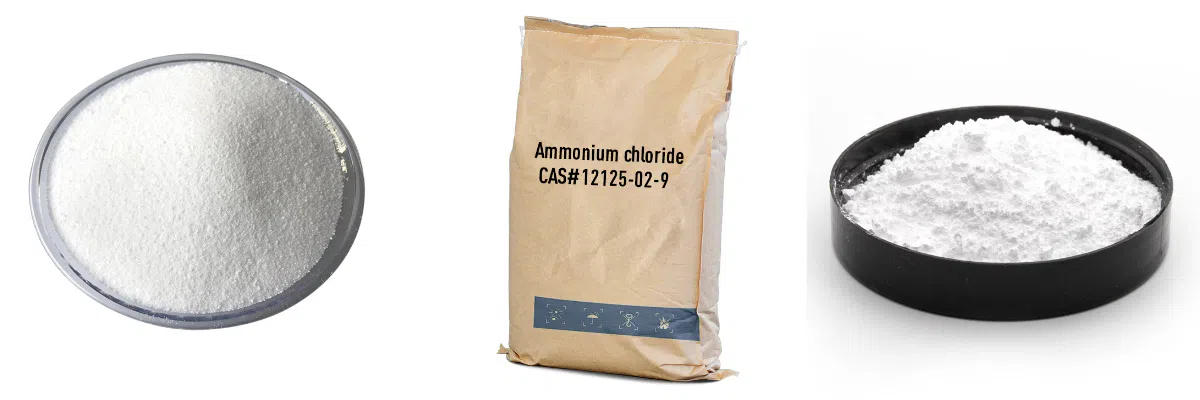
Safety and Handling
Ammonium chloride should be stored in a cool, dry location away from incompatible substances such as strong oxidizers and excessive heat. During handling, appropriate personal protective equipment—including gloves and safety glasses—should be worn to prevent skin and eye contact. Classified as a combustible solid, it requires standard precautions to reduce fire hazards.
Toxicological Information
This compound demonstrates low acute toxicity via oral and inhalation routes, with oral LD50 values exceeding 2,000 mg/kg. It is generally non-irritating to skin and eyes and shows no evidence of sensitization or mutagenicity. Nevertheless, it should be handled with care to avoid unnecessary exposure or potential health risks.
Environmental Considerations
Although ammonium chloride may pose certain risks to aquatic environments, proper application and management can effectively minimize its ecological impact. Measures such as the use of urease inhibitors and the implementation of responsible agricultural practices help reduce ammonia emissions.
Summary
Ammonium chloride is a reliable nitrogen fertilizer that supports vigorous crop growth and serves various industrial purposes. With appropriate handling and storage, it offers both agricultural efficiency and environmental responsibility.