
Product Description
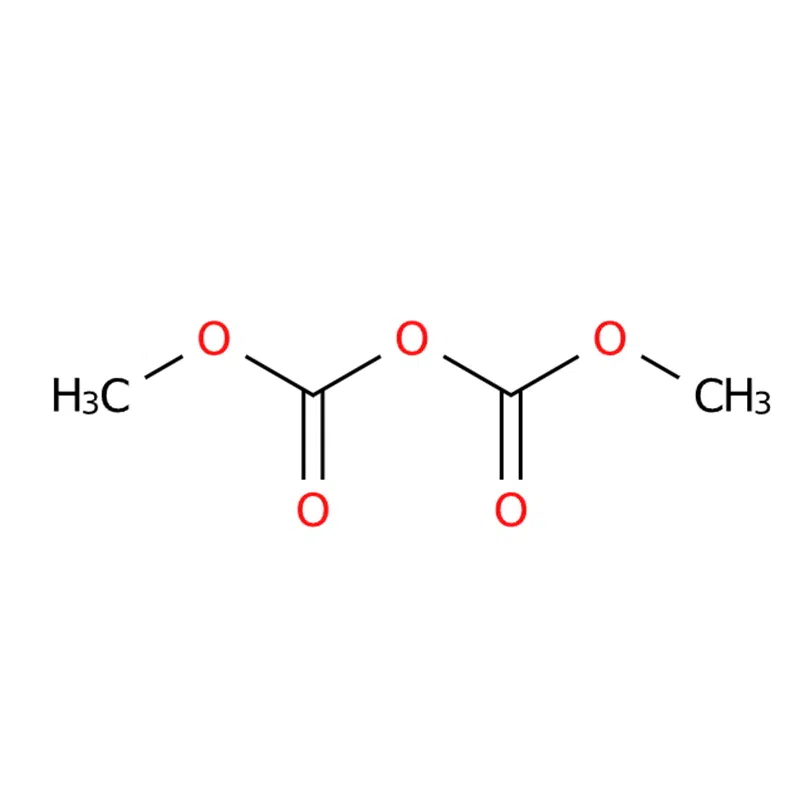
Dimethyl dicarbonate (DMDC), also named Vigorin, is a preservative for fruit juice beverages that complies with national food additive standards (INS 242).
It delivers powerful antimicrobial effects against various spoilage bacteria typical in fruit juice drinks at both room and low temperatures. Its preservative mechanism lies in altering and deactivating essential enzyme proteins inside microbial cells, which effectively inhibits product deterioration.
In contrast to traditional physical sterilization methods, DMDC features lower production costs, straightforward operation and high safety, while retaining the beverage’s original flavor, aroma and color. For these reasons, it has become a core research direction for modern non-thermal sterilization technologies.
Chemical Properties
| Melting point | 15-17°C |
| Boiling point | 45-46 °C5 mm Hg(lit.) |
| Density | 1.25 g/mL at 25 °C(lit.) |
| Vapor pressure | 0.7 hPa (20 °C) |
| Refractive index | n20/D 1.392(lit.) |
| Fp | 80 °C |
| Storage temp. | Store below +30°C. |
| Solubility | 35g/l (decomposition) |
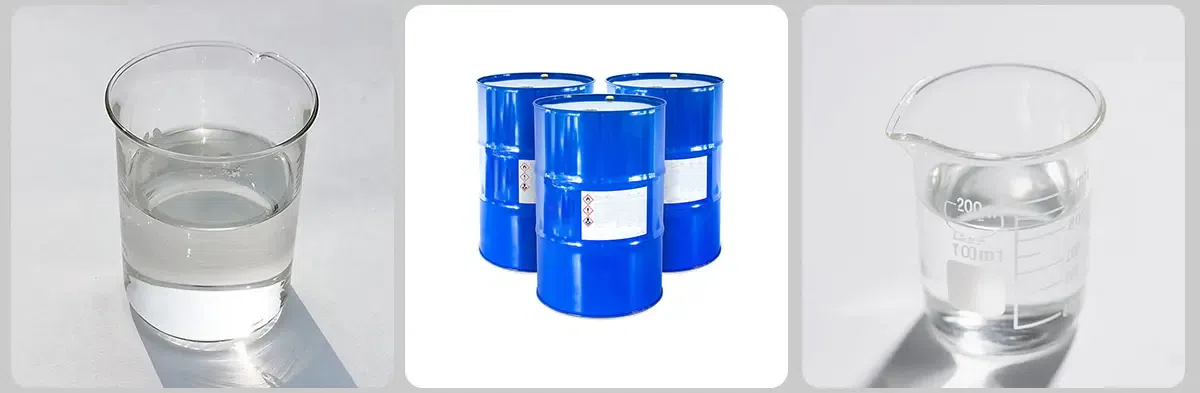
| Form | Oil |
| Color | Colourless |
| Explosive limit | 3-29.9%(V) |
| BRN | 956715 |
| Stability | Moisture Sensitive |
| LogP | 0.082 (est) |
| EPA Substance Registry System | Dicarbonic acid, dimethyl ester (4525-33-1) |
Safety Information
| Hazard Codes | T |
| Risk Statements | 21/22-23-34 |
| Safety Statements | 18-26-28-36/37/39-38-45 |
| RIDADR | UN 2927 6.1/PG 2 |
| WGK Germany | 3 |
| RTECS | HT0362500 |
| F | 46286 |
| Autoignition Temperature | 465 °C |
| HS Code | 2920 90 10 |
| HazardClass | 6.1(a) |
| PackingGroup | II |
| Hazardous Substances Data | 4525-33-1(Hazardous Substances Data) |
| Toxicity | LD50 orally in Rabbit: 335 mg/kg LD50 dermal Rat > 1250 mg/kg |
Product Application
Dimethyl dicarbonate (DMDC) is extensively applied in various beverage products, such as carbonated soft drinks, carbonated and non-carbonated fruit juices, tea drinks, isotonic beverages, and other liquid formulations.
It has obtained widespread approval for beverage use in Europe, the United States and numerous other nations, demonstrating high global recognition within the food and beverage sector.
Its safety profile has been verified by leading international regulatory bodies, including the Joint FAO/WHO Expert Committee on Food Additives (JECFA), the European Scientific Committee on Food, and the U.S. Food and Drug Administration (FDA). All these authorities have released official certifications confirming its safe application within permitted usage ranges.