
Product Details
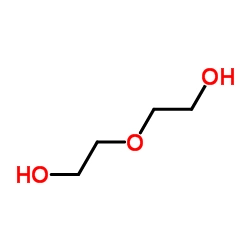
Diethylene glycol (DEG), also referred to as diglycol, undergoes esterification reactions with anhydrides and forms ethers when reacting with alkyl sulfates or halogenated hydrocarbons. Primarily used as a gas dehydrating agent and extraction solvent, it also serves as a textile lubricant and finishing agent. This compound is produced through the reaction of ethylene oxide with ethylene glycol.
In cosmetic applications, DEG has been extensively used in China for nearly two decades as a solvent, humectant, and viscosity modifier. Throughout this long period of use, no adverse issues have been reported or identified.
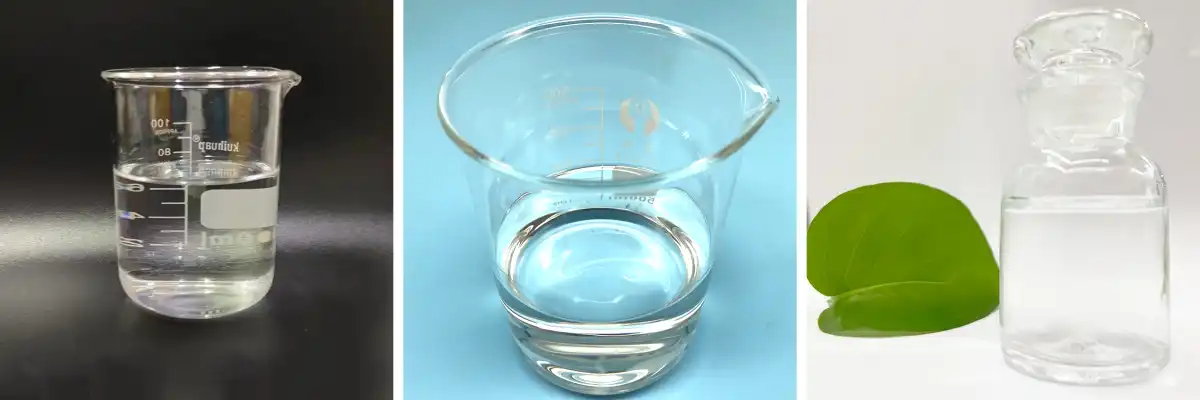
Diethylene Glycol (DEG) (C₄H₁₀O₃; CAS 111-46-6), also known as diglycol or 2,2'-oxybisethanol, is a hygroscopic, colorless, odorless liquid with a sweet taste. It undergoes esterification reactions with anhydrides (forming plasticizers) and forms ethers when reacting with alkyl sulfates or halogenated hydrocarbons (producing specialty solvents).
Key Properties & Specifications
| Parameter | Value/Range |
| Molecular Weight | 106.12 g/mol |
| Density (20°C) | 1.118 g/mL |
| Boiling Point | 245°C |
| Freezing Point | -10.5°C |
| Viscosity (25°C) | 30 mPa·s |
| Refractive Index | 1.447 (n₂₀D) |
| Flash Point | 143°C (PMCC) |
| Water Solubility | Fully miscible |
Industrial Applications
Gas Dehydration
Removes H₂O from natural gas pipelines (hygroscopicity: absorbs 30% own weight in water)
Used in glycol dehydration units (TEG/DEG blends)
Textile Processing
Lubricant: Reduces fiber friction in spinning (0.5–2% formulations)
Finishing Agent: Enhances dye uptake and fabric softness
Solvent Systems
Extraction medium for aromatics, resins, and nitrocellulose
Component of brake fluids, printing inks, and wood stains
Polymer Industry
Precursor for polyester resins and polyurethane elastomers
Plasticizer for cellulose acetate (replaces phthalates)
Cosmetics (China Market Focus)
Humectant: Binds water in creams/lotions (5–15% concentration)
Solvent: Carrier for fragrances and active ingredients
Viscosity Modifier: Controls rheology in serums (up to 25,000 cP)
Safety Record: 20-year use history in China with no reported adverse effects under GMP compliance
Specialized Uses
Cryoprotectant in biologics storage (-80°C)
Hydraulic Fluid component for high-temperature systems
Antifreeze additive for aviation de-icing (blended with EG)
Packaging & Handling
| Format | Volume | Material Compatibility |
| Drums | 200 L | Stainless steel/PE-lined |
| IBC Totes | 1,000 L | Carbon steel |
| ISO Tank Containers | 20,000 L | Epoxy-coated |
| Storage: Maintain <30°C; avoid copper/zinc alloys (corrosion risk) | ||
| Shelf Life: 24 months under nitrogen blanket |
|